
By Grant Warkentin
While 911 operators and dispatchers in large parts of BC are considering strike action, the North Island won’t be affected, for now.
CUPE 8911, the Emergency Communications Professionals of BC, represents more than seven hundred employees working as 911 operators, call takers, dispatchers, IT, and support professionals. They are employed by E-Comm at locations in Vancouver, Burnaby, and Saanich. They answer 99% of the initial 911 calls in BC, and support 33 police agencies and 40 fire departments across the province.
“Emergency communications professionals are the first point of contact for every emergency,” said union president Don Grant in a news release. “Behind every call is a highly trained emergency communications professional working under intense pressure to connect people with help in some of the worst moments of their lives. But right now, our 9-1-1 system is at a critical point, and so are the people behind it.”
The union says that despite months of negotiations, it has been unable to reach a new contract with E-Comm and will be holding a strike vote for members next month.
Meanwhile 911 services for the North Island are unaffected. The North Island 911 Corporation (NI911) covers the entire Island from Parksville north, and also the Powell River region and north. It also provides services for the Cowichan Regional District on the Island, and the Peace River Regional District in northeast BC.
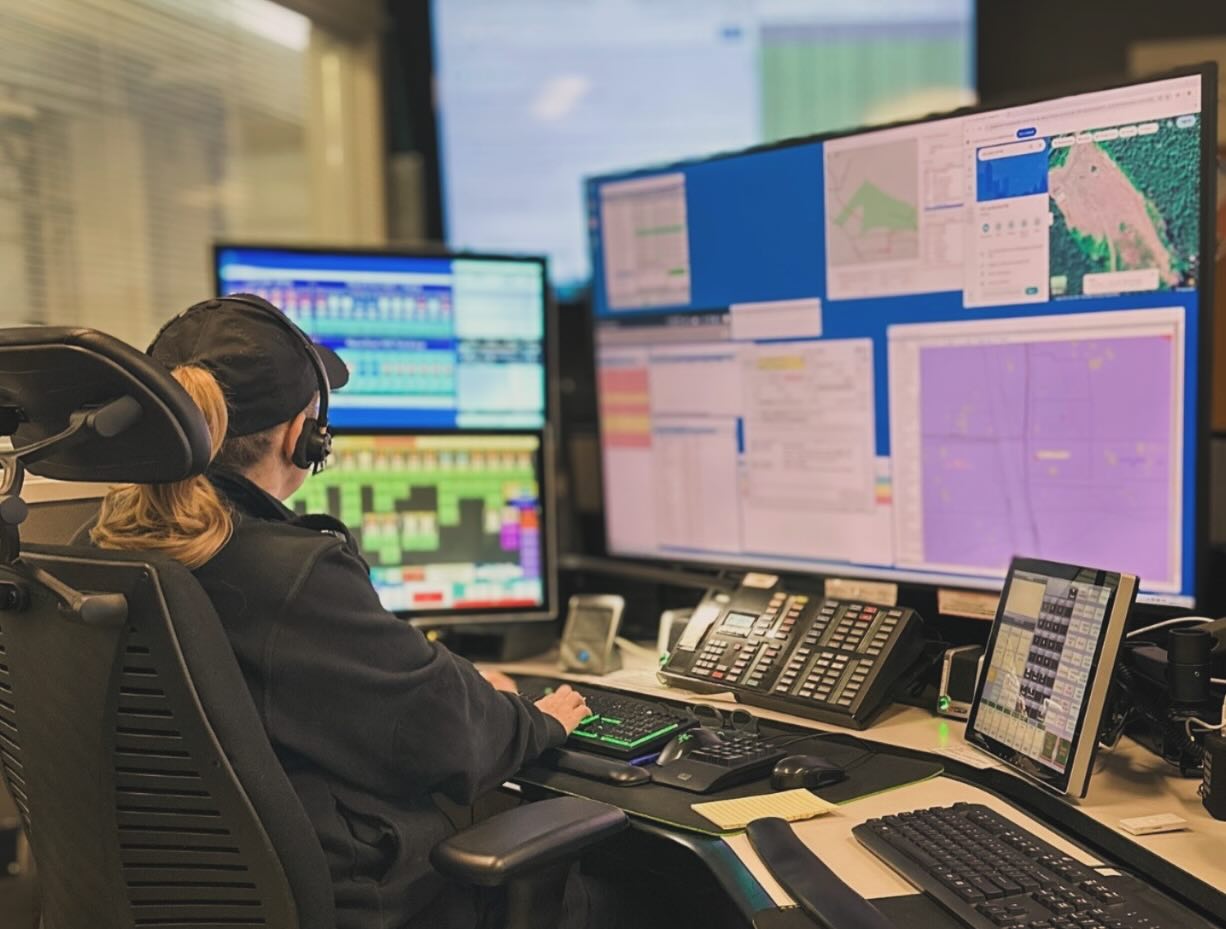
Employees of NI911 are based in Campbell River and are part of IAFF Local 1668, not the CUPE local considering strike action.
The CUPE news release says “frontline staff are reporting high rates of burnout, occupational stress injuries, and excessive hours driven by staff shortages. These shortages are often so severe that, for extended periods of time, staff are unable to take scheduled breaks or even step away to use the washroom.”
The union points out staff shortages are putting the public at risk.
Last year, more than 60,000 calls to 911 took longer than five seconds to be answered, exceeding service standards. On Christmas night, a police emergency call waited more than four and a half minutes for help.
“British Columbians need to have confidence that help will be there when they call,” said Grant. “That means investing in the people who make the system work, with fair wages that reflect the responsibility and complexity of the work, adequate staffing, and meaningful health and wellness supports that keep experienced professionals on the job.”
Featured image: A 911 operator in Campbell River. Image from IAFF Local 1668


Leave a Reply