
By Grant Warkentin
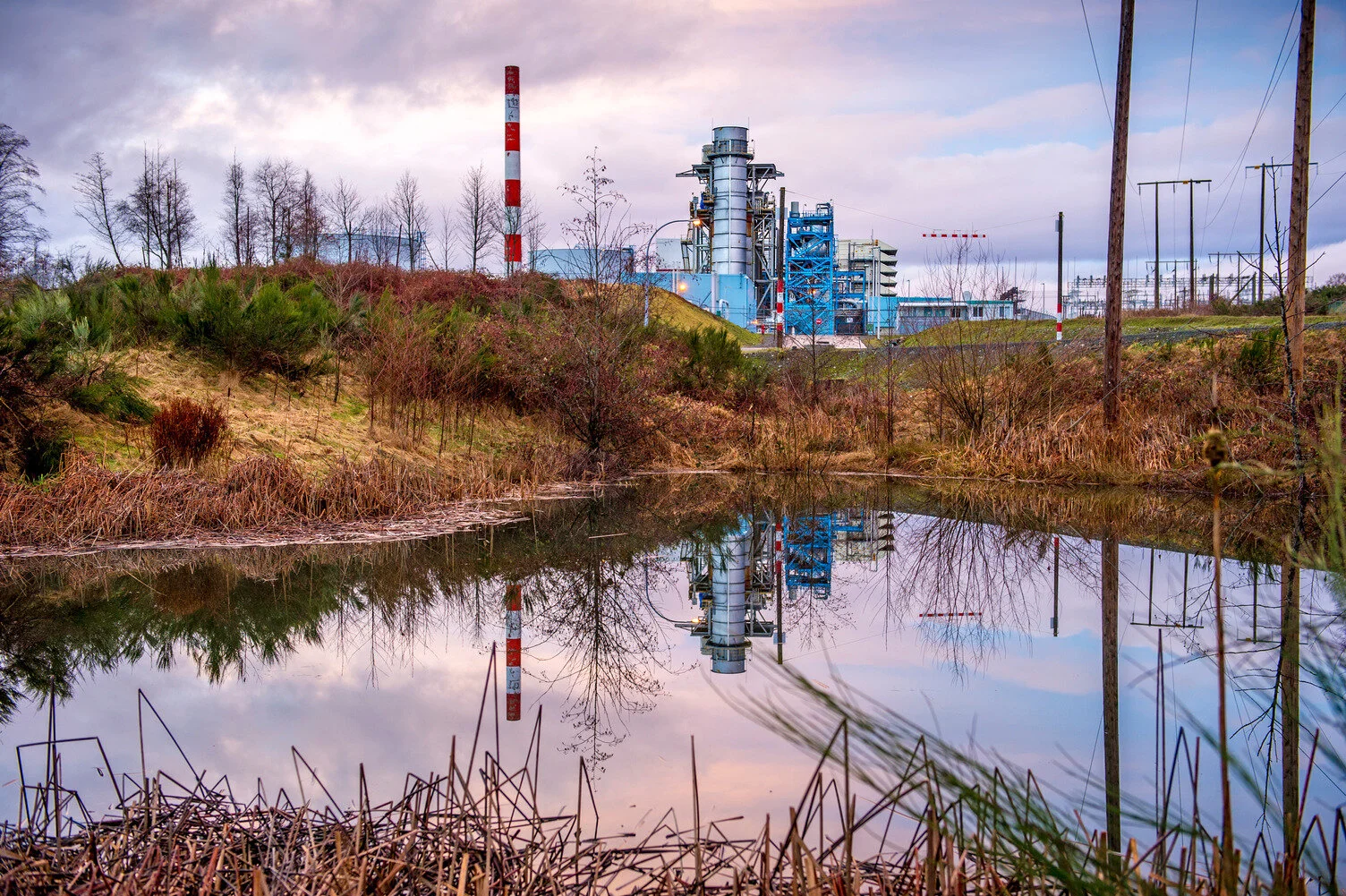
A power plant in Campbell River once hailed by the NDP government as a “boost to the North Island economy” may be shuttered this fall because BC Hydro doesn’t want to use it anymore.
Mayor Kermit Dahl says the city still hasn’t heard back from energy minister Adrian Dix, who promised months ago to come to Campbell River to talk about the future of Capital Power’s facility on Orange Point Road, a natural gas power plant capable of generating 275 megawatts of electricity on demand.
The plant’s contract with BC Hydro expires this October. There’s still no indication if it will be renewed, or if it will have to close for good.
BC Hydro has been trying to avoid using the plant for years because it doesn’t fit in with the utility’s mission to provide “reliable, affordable, and renewable electricity.” Energy generated at the Campbell River plant has been reliable and affordable, but in a statement in 2022 BC Hydro pointed out the plant “has been a source of BC Hydro’s greenhouse gas emissions in the past.”
BC Hydro has subtly changed the way it describes its core mission since the plant was built. It has always aimed to provide reliable and affordable energy, but the utility has now narrowed its focus from also providing “clean” energy to “renewable” energy, leaving natural gas out of the equation, even while NDP ministers including Dix are championing BC’s liquified natural gas exports overseas.
BC Hydro relegated the power plant to back-up status while undersea cables linking the Island to the Mainland were repaired in 2022. Vancouver Island is a net importer of power even when the natural gas plant is not in use. The Island requires up to 2,000 megawatts at peak and is only capable of generating up to 1,000, a number that includes the Orange Point power plant and all other sources attached to the grid.
The plant was brought into full-time action in early 2025 when the Island and much of BC endured a months-long cold snap, requiring more energy to keep people warm than the grid could provide. However, BC Hydro does not have an alternative back-up plan for future cold snaps if the Campbell River plant does close after October.
“That was our backup, now there’s no backup,” said Dahl. “They don’t seem to have a plan if there’s an imminent need.”
The power plant was originally built to provide electricity and steam for the pulp and paper mill which once operated next door. Electricity went straight into the Island power grid, and steam generated from the plant was piped to the mill to power machinery.
“This project is a great example of how B.C. businesses are working together with government to add to the economic growth of this province,” said Mike Farnworth in 1999, when he was BC’s employment and investment minister.
Farnworth is still in government, currently serving as provincial minister of transport.
Dix, now the energy minister in charge of overseeing BC Hydro, was chief of staff for former premier Glen Clark when the power plant was announced; he was dismissed from government a few months later in March, 1999 after the “Casinogate” scandal which brought down the Clark government.
The plant was identified in 1996 as the top proposal in a province-wide call for independent power projects.
If the plant operated continuously for an entire year, it would generate less than one million tonnes of carbon dioxide equivalents.
BC Hydro imports power from Alberta and American energy sources every year, much of which is generated by coal and natural gas power plants. Last year BC Hydro imported nearly 8,400 gigawatt-hours of power, a drop from nearly 14,000 in 2024, offset by the Site C hydro dam coming online.



Leave a Reply